













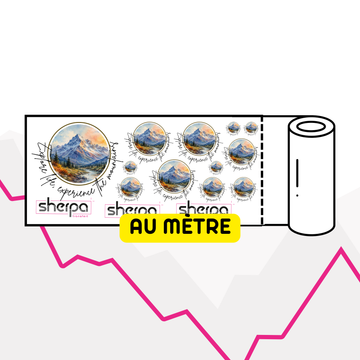







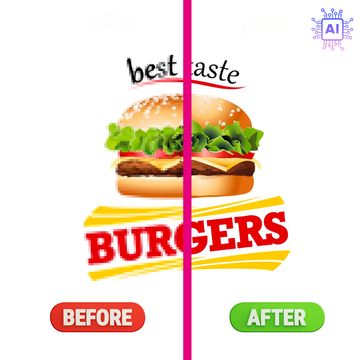


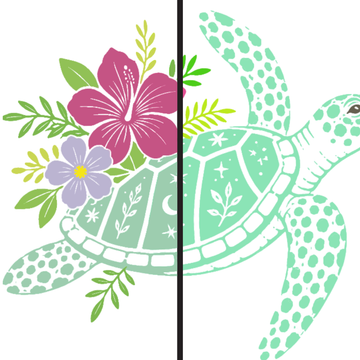











Halftone is now an essential technique for enhancing your DTF transfers and your textile transfer printing.
It transforms a dense visual into an optimized screen while maintaining striking visual impact.
Want to print a large design without weighing down the fabric?
Halftone conversion is the ideal solution.

What is halftone in textile printing?
Halftone consists of transforming a visual into a multitude of dots.
These dots replace solid color areas.
Result:
- Less material deposited
- A visual rendering identical from a distance
- A more technical and controlled print
This method is particularly suited to DTF printing and screen print transfers.

Why use halftone for your DTF transfers ?
A perfect solution for gradients and transparency
DTF printers cannot handle partial opacity.
This can create visible defects such as white halos.
Halftone transforms these areas into 100% opaque dots.
You get:
- Clean gradients
- Sharp shadows
- No print defects
A much more flexible textile transfer
A standard design with a lot of ink can stiffen the garment.
With halftone, the material is significantly reduced.
Your garment transfer becomes:
- Lighter
- More flexible
- More comfortable to wear
The textile retains its natural fluidity.
Better durability over time
Less material also means fewer mechanical stresses.
Halftone improves the durability of your heat transfer.
Result:
- Fewer cracks
- Better wash resistance
- Optimal integration into the fiber
An ideal technique for massive designs
Halftone is particularly recommended for:
- Large logos
- Visuals with solid colors
- Full-coverage designs
Instead of a thick ink block, you get an optimized result for personalized t-shirt transfer.
A graphic design expertise at the service of your files
Converting to halftone is not something to improvise.
It requires perfect mastery of the final rendering in DTF transfer.
Our graphic designers:
- Analyze your visual
- Adapt the size and density of dots
- Optimize each area for printing
The objective is simple:
Guarantee premium rendering in textile transfer printing, with no compromise on quality.
Who is halftone conversion for?
This service is ideal for:
- Clothing brands
- Customization workshops
- Textile marking professionals
If you work with fabric transfers or direct transfers, halftone allows you to upgrade your offering.
Switch to more efficient textile printing
Halftone transforms your visuals to make them more suitable for printing.
You gain in quality, comfort and durability.
Entrust your files to an expert team and offer your customers DTF transfers that are lighter, more flexible and flawless.
FAQ - T-shirt printing and textile transfer
What is the best solution for printing on a t-shirt?
It depends on the project.
For a simple logo, regular marking or workwear, screen-printed transfer is often very suitable.
For complex, detailed or multicolor artwork, DTF transfer is often more flexible.
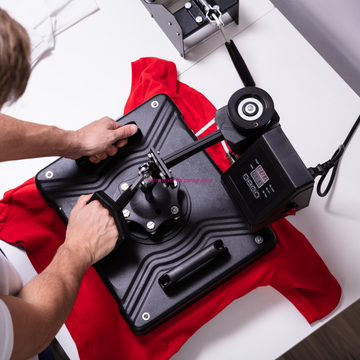
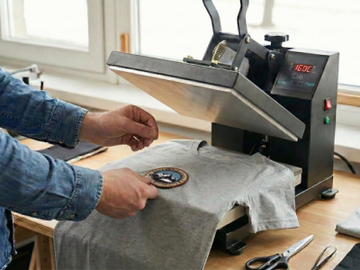
How to transfer onto a t-shirt with a heat press?
You need an adapted transfer, compatible textile, and proper application settings.
The principle is simple: positioning, pressing, peeling.
The real difference comes down to the quality of the transfer and the consistency of the process.
Can you transfer an image onto a t-shirt easily?
Yes. If you want to transfer an image onto a t-shirt with clean and detailed finish, DTF is often the most suitable solution for a professional.
Which solution to choose to personalize a t-shirt?
To write a first name, text, or simple visual on a t-shirt, screen-printed transfer works very well.
If the text is accompanied by a richer visual, DTF can be more interesting.
Is the promotional t-shirt still a good idea in 2026?
Yes, absolutely. The promotional t-shirt remains an effective medium for events, communications, teams, clubs, commercial operations, and brands.


Key takeaways:
- screen print transfer is a reliable choice for clean, durable and consistent markings;
- DTF transfer is ideal for complex designs, small runs and flexible orders;
- patches allow you to offer a more premium finish.


